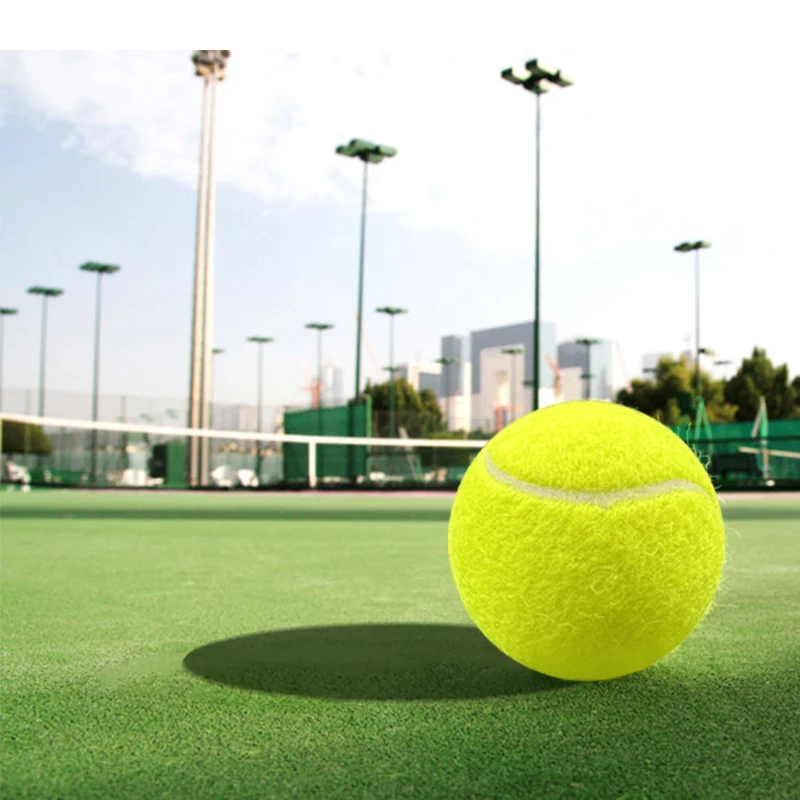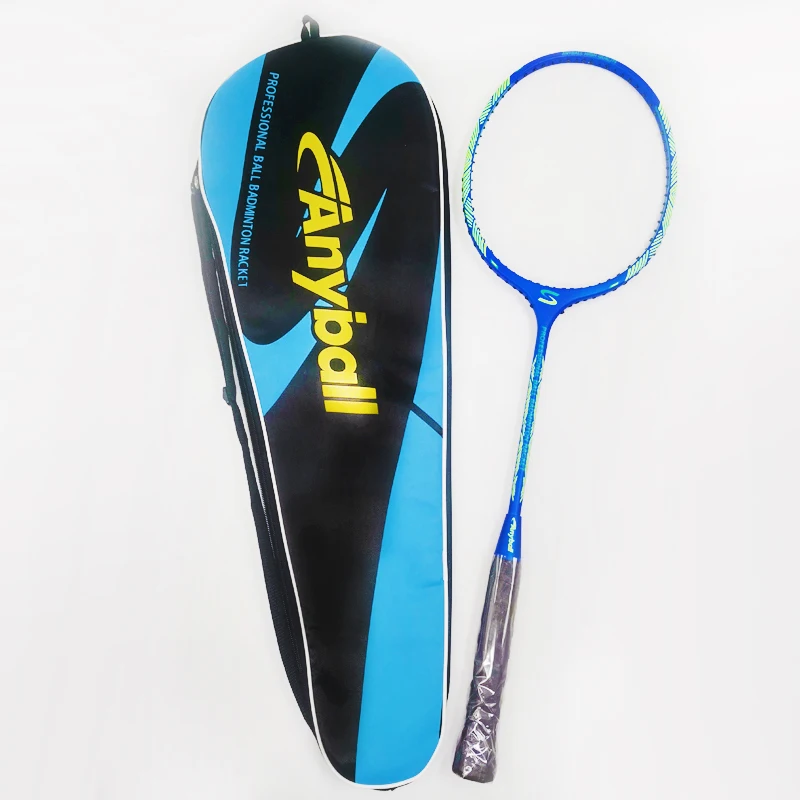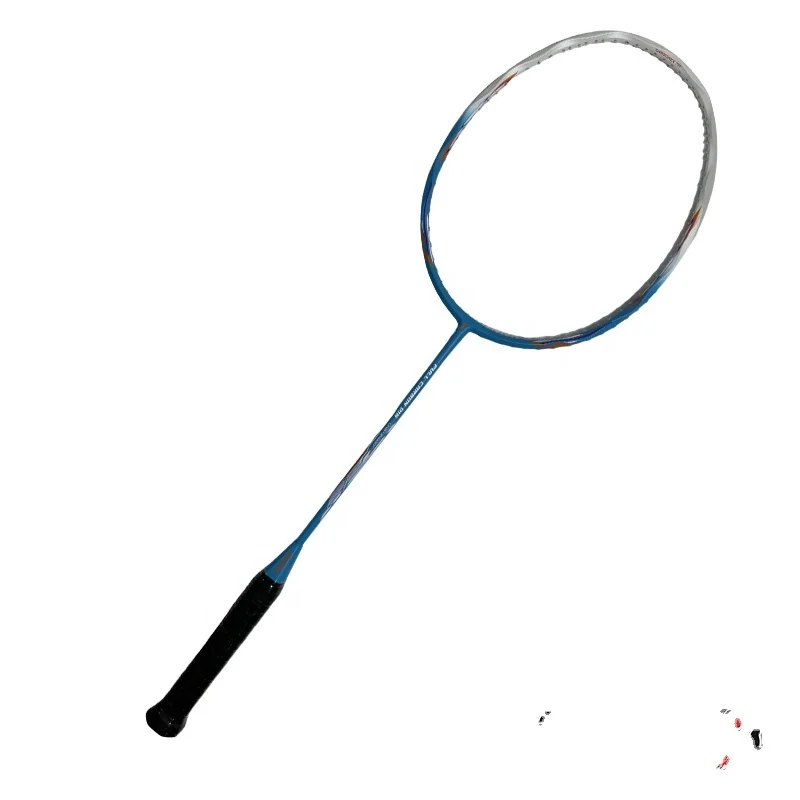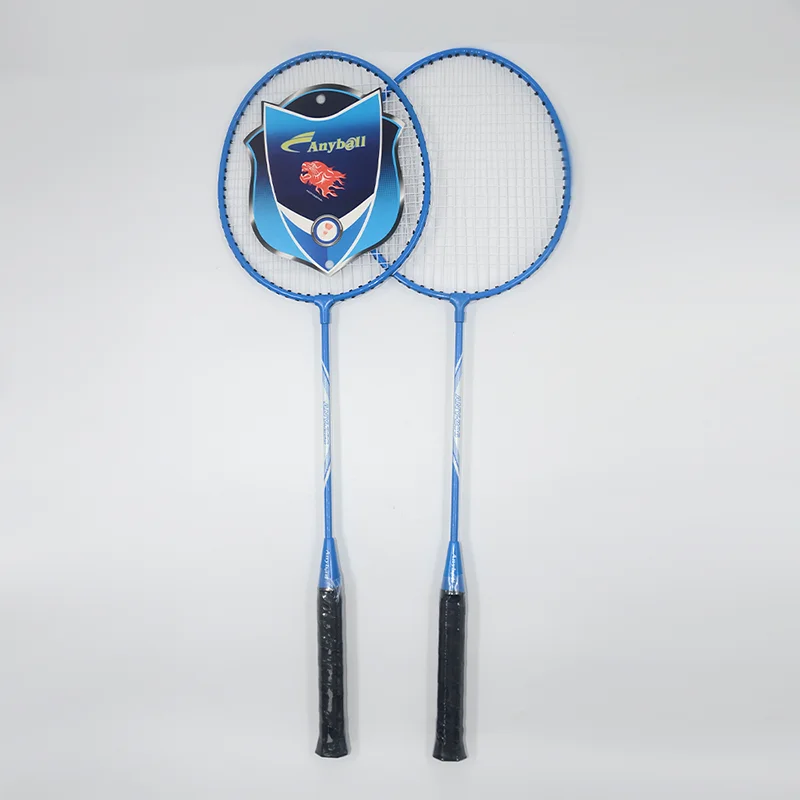
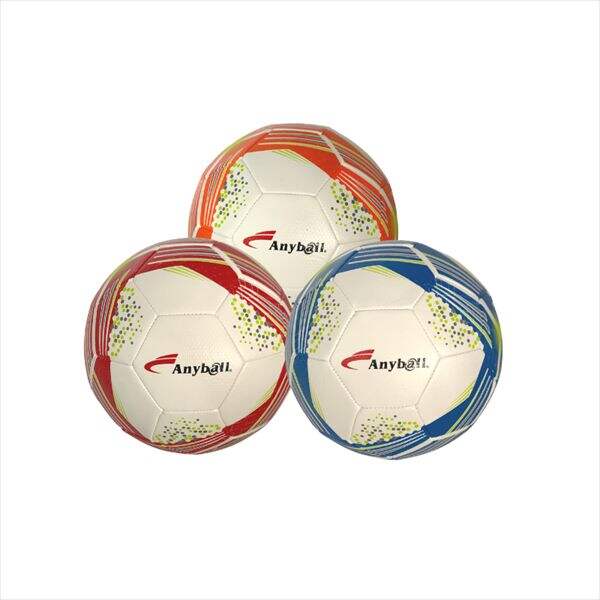
There have been football match balls that have been around for a while. They’ve come a long way over the years to better accommodate playing soccer. Now let’s explore how they’ve changed, the science behind them, how technology assists them, how weather conditions impact them and what makes them the perfect size and weight.
Match balls for football used to be constructed of leather and stuffed with feathers or other material. They were heavy and bounced poorly. As time passed, people began to experiment with new materials and designs for the perfect football match ball. Football match balls are typically made from synthetic leather or other synthetic materials. They are lighter, more durable and stronger than the old leather balls.
There is science, a great deal of science, in creating a football match ball. The form, the size, the weight, the stuff the ball’s made of, they all affect how the ball works on the field. A football match ball needs to be round and smooth but also light and retains a certain shape so it can move with ease, quickly and accurately. The ball’s weight matters for how it flies, too. The ball’s materials affect the way the ball feels when you kick it and how it bounces.
Technology has altered the construction of football match balls. New ones can produce balls that are more accurately round and weighted. That means players can rely on each ball to perform the same. Technology has also enabled the creation of strong materials that help football match balls last longer and combat water. That is to say that balls can be used in any weather for extended periods of time without getting “ruined.
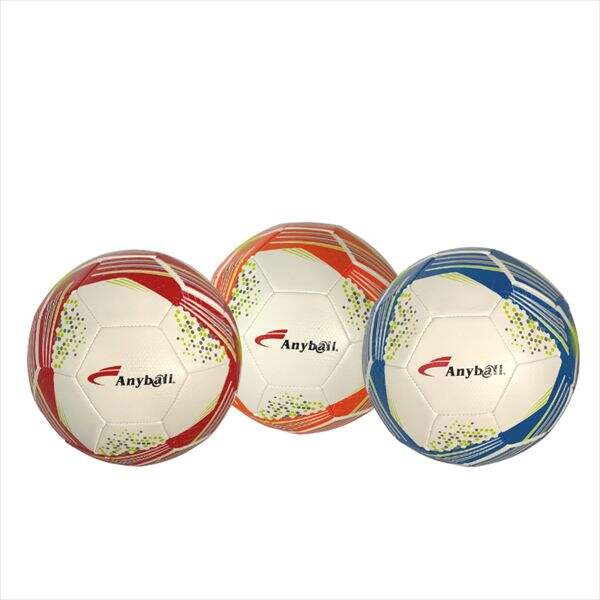
Weather can change the way football match balls play. And on hot days, balls might become softer and bounce differently. In cold weather, balls tend to harden and become less bouncy. Rain can leave balls slippery and making passes harder to control. That’s why you need different types of football match balls for different weather. There are balls designed to work best when it’s soaking rain mixed with hurricane, and balls that work best when dry.
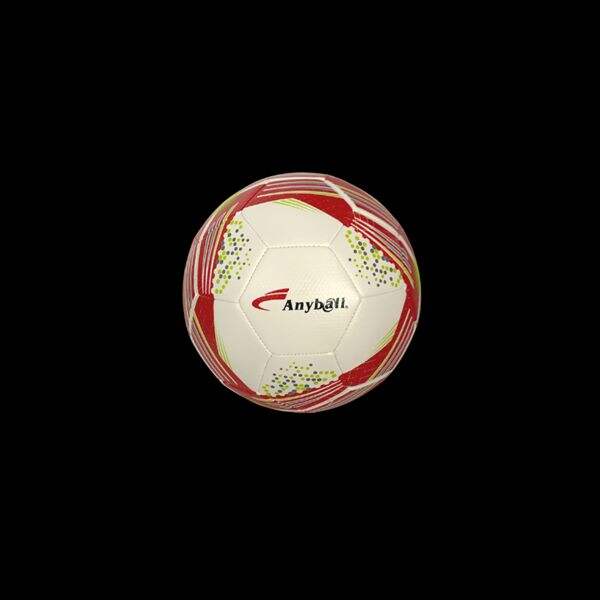
Regulations Matchballs for football matches will have to comply with various regulations to be authorised in official matches. They need to be a certain size and weight to ensure the good sport of everyone who plays. Regulation football match balls are size 5 and weight between 410-450g. Adult players of all ages and skill levels will enjoy this size and weight. Regulation balls must bounce and be durable enough for a game.
We're dedicated to providing a safe and efficient logistic service is unique in the business. We monitor the entire track whereabouts of logistics to ensure that each package is secure from beginning point to its destination so that customer information and property are secure. We are able to respond quickly and efficiently to a range logistics requirement, thanks to our professional team and intelligent warehouse management. We're ready respond to customer football match balls and deal with all kinds of emergencies.
The world's first 3-in-1 shuttlecock was created by our company. Our company been subverting the game of badminton for more than 200 years and has revolutionized original labor-intensive industry. It was the first to establish the production foundation of the "three-stage badminton". Automated production, mechanization; Standardized operation management before implementing industrialization. The factory spread over an area that is 60,000 square meters. It also includes a football match balls R & D and sale team. AI is used to and enhance the efficiency of badminton production. Automated machines automate repetitive processes that call for traditional manual work. This increases efficiency uniformity.
The world's first brand-new badminton category-"3in1" shuttlecock. Our patent pool comprises more 100 football match balls. It includes 21 Chinese invention patents 12 patents foreign inventions. We also possess 60 utility models from US patents as well as six patents national design designs. We a rich R and D sales team can provide you with quality service anywhere and anytime.
Dmantis Sport, football match balls 1994, has over 25 years' experience in OEM as well as ODM. We're leading sports goods manufacturer specializes in 3in1 shuttlecocks for badminton, badminton tennis, nylon shuttlecocks, shuttlecocks made of nylon. We're OEM for international brands. Exports United States, United Kingdom, France, Germany, Denmark Portugal, Japan South Korea, Indonesia India Malaysia Philippines Thailand Vietnam Russia and more than 10000 customers.
 EN
EN
 AR
AR
 NL
NL
 FI
FI
 FR
FR
 DE
DE
 HI
HI
 IT
IT
 JA
JA
 KO
KO
 NO
NO
 PL
PL
 PT
PT
 RO
RO
 ES
ES
 SV
SV
 TL
TL
 ID
ID
 VI
VI
 SQ
SQ
 TH
TH
 TR
TR
 AF
AF
 MS
MS
 GA
GA
 BE
BE
 BN
BN
 NE
NE
 KK
KK
 UZ
UZ